


When dealing with a persistent toothache, many patients wonder if severe, non-stop pain is the only warning sign of serious dental damage. A common question people ask when experiencing oral discomfort is whether a tooth requiring endodontic treatment causes constant pain. Seeking timely care from a dentist near you can help identify underlying nerve issues before they lead to severe complications.
Even though chronic throbbing pain is a classic symptom of nerve damage, a tooth that needs root canal therapy near you might not always hurt all the time. Pain patterns can vary greatly depending on an individual’s sensitivity and the stage of their sickness.
Understanding Pain Signals from an Infected Tooth
Toothaches can arise when the dental pulp, or inner part of the tooth, is aggravated or infected by severe decay, repetitive treatments, or structural flaws. Numerous bureaucracies might produce discomfort because nerve tissues respond differently to rising inflammation:
- Intermittent Pain: Discomfort may come and go, triggered by chewing, biting down, or lying flat.
- Persistent Pain: A dull, continuous ache or intense throbbing that keeps you awake at night.
- Temperature Sensitivity: Lingering pain long after consuming hot liquids like coffee or cold items like ice water.
- Pressure Tenderness: Sharp discomfort when pressing against the tooth or tapping on its surface.
Symptoms of Nerve Damage Beyond Constant Pain
Surprisingly, a tooth that urgently requires treatment might not hurt all the time or might stop hurting altogether. When an infected nerve completely dies (becomes necrotic), the acute pain often vanishes temporarily. However, the infection remains active inside the tooth and can spread into the surrounding jawbone, leading to an abscess.
Key signs that indicate a tooth needs treatment even if pain is not continuous include:
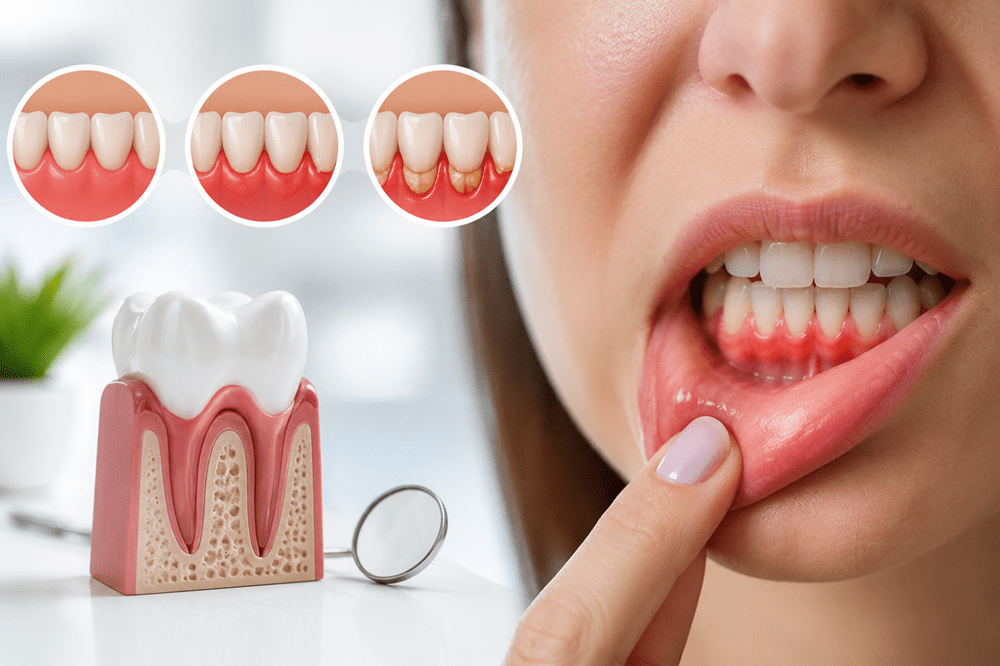
- Swollen or Tender Gums: Bumps resembling pimples on the gums near the affected tooth.
- Tooth Discoloration: A dark grey or brownish tint developing on the tooth surface.
- Prolonged Sensitivity: Sharp pain when exposed to heat or cold that lasts for several seconds.
- Facial or Jaw Swelling: Puffiness in the cheek, jawline, or nearby soft tissues.
How Root Canal Therapy Saves Your Natural Tooth
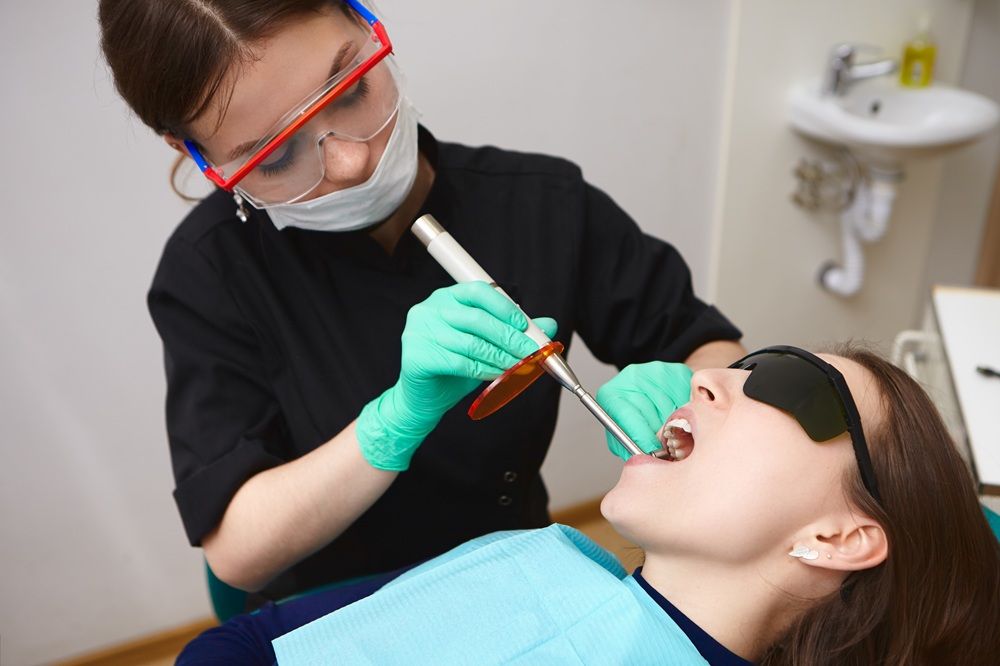
Seeing a skilled dentist right away helps ensure your natural tooth structure is preserved if you have persistent pain or sensitivity. To prevent root canal therapy, the inflamed nerve tissue must be carefully removed, the internal root canals must be cleaned, and the area must be sealed with a long-lasting substance.
Early treatment of nerve problems reduces discomfort at the source and prevents infection from spreading to neighbouring teeth. Delaying care often leads to tooth loss, necessitating more involved restorative procedures later. You can maintain your oral health and have peace of mind by working with a dentist in Valencia who provides root canal therapy services.
Restore Your Oral Health with Dr. Brian Gradinger, DMD
Ignoring tooth pain or hoping intermittent discomfort will resolve on its own can compromise your natural smile and overall health. Professional endodontic care is designed to eliminate discomfort, eliminate infection, and safeguard your natural teeth for years to come.
Schedule an appointment with Dr. Brian Gradinger, DMD, today to protect your smile and enjoy lasting comfort!
Frequently Asked Questions
Can a tooth needing a root canal stop hurting on its own?
Yes. If the nerve inside the tooth dies, the initial pain may fade. However, the bacterial infection remains and will continue to spread to surrounding tissues if left untreated.
Is root canal therapy painful?
No. Modern endodontic techniques and local anesthetics make the procedure comfortable and virtually painless, similar to receiving a standard dental filling.
How do I know if my tooth pain is an emergency?
Severe throbbing pain, facial swelling, fever, or difficulty swallowing require immediate dental evaluation to manage the infection safely.
How long does recovery take after treatment?
Most patients return to their regular activities the next day after experiencing minor tenderness for a few days, which is readily controlled with over-the-counter painkillers.