

Gum disease is one of the most common dental problems adults face and one of the most preventable. The challenge is that it often starts quietly, without much pain or obvious symptoms. By the time most people notice something is wrong, the condition has already been developing for a while.
Getting proper dental care in Valencia on a regular basis is one of the most effective ways to catch gum disease early—before it has a chance to cause lasting damage.
What Is Gum Disease?
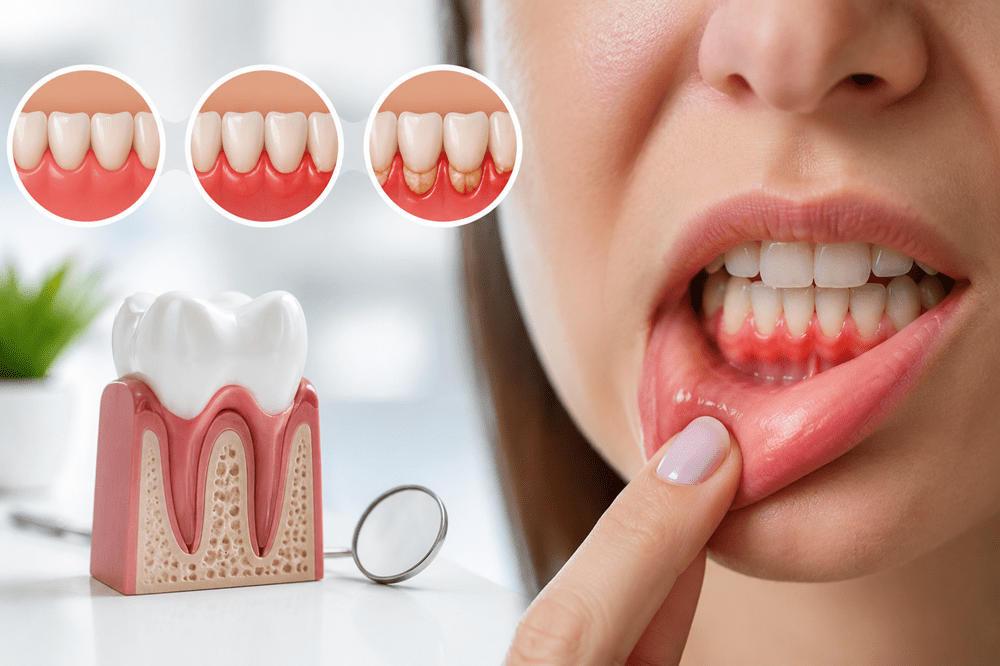
Gum disease is an infection of the tissue that surrounds and supports your teeth. It starts when plaque — a sticky film of bacteria — builds up along the gumline and is not removed through regular brushing and flossing.
There are two main stages:
- Gingivitis — the early, reversible stage. The gums become inflamed, red, and may bleed easily. At this point, with the right care, the condition can be fully reversed
- Periodontitis — the advanced stage. The infection spreads deeper, affecting the bone and tissue that hold the teeth in place. This stage causes permanent damage that cannot be undone—only managed
The good news is that most people who develop gum disease go through the gingivitis stage first. Catching it there means you can reverse it completely.
Early Signs of Gum Disease to Watch For
Knowing the early signs of gum disease gives you the power to act before the condition progresses.
Watch for these warning signs:
- Bleeding gums when brushing or flossing — this is the most common and recognizable early sign. Healthy gums do not bleed from gentle brushing
- Red or swollen gums — healthy gums should be pale pink and firm. Redness and puffiness indicate inflammation
- Gums that feel tender—soreness when you touch the gum or eat certain foods is a sign that something is wrong
- Persistent bad breath — bacteria responsible for gum disease produce odours that do not go away with brushing or mouthwash
- Gums that are pulling away from the teeth—making teeth look longer than usual
- Sensitivity to hot or cold — when gums recede, tooth roots become exposed and more sensitive
- Loose teeth or a change in your bite — a sign that the supporting bone may already be affected
If you recognize any of these signs, seeing a dentist near you promptly is the right move.
What Causes Gum Disease?
Understanding what triggers gum disease helps you take targeted steps to prevent it.
| Common Cause | How It Contributes to Gum Disease |
| Poor oral hygiene | Plaque builds up and hardens into tartar along the gumline |
| Smoking or tobacco use | Reduces blood flow to the gums and masks warning signs |
| Diabetes | High blood sugar creates conditions where bacteria thrive |
| Hormonal changes | Pregnancy and menopause increase gum sensitivity |
| Certain medications | Some drugs reduce saliva flow, allowing bacteria to multiply |
| Genetics | Some people are more naturally prone to gum disease |
| Stress | Weakens the immune system’s ability to fight oral infections |
How to Reverse Early Gum Disease
The encouraging truth is that gingivitis—the early stage—is completely reversible with the right treatment and care.
Here’s what will help:
Professional Dental Cleaning
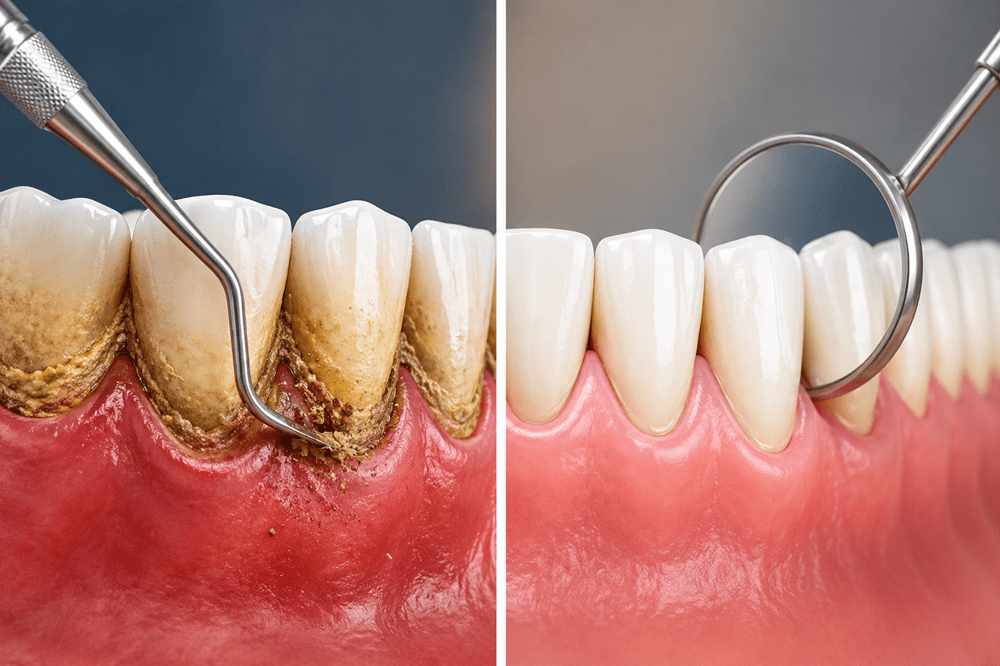
Clean your teeth like a pro. Having a thorough professional cleaning done at your dentist can get rid of tough calcified bacteria, called tartar, that brushing at home won’t budge. This should be a high priority in order to get rid of gingivitis.
Enhanced Home Care Routine
A professional solution is most effective if it’s paired with an improved at-home routine.
Small steps that will make a big difference:
- Brush for two full minutes twice a day using a soft toothbrush
- Angle the brush slightly toward the gumline to clean below it
- Floss every single day—this is the step most people skip, and the most important one for gum health
- Use an antibacterial mouthwash to reduce bacteria along the gumline
- Replace your toothbrush every three months
Lifestyle Changes
Some of the most impactful changes for gum health happen outside the bathroom.
- Quitting smoking dramatically improves gum healing—gum disease is significantly harder to reverse in smokers
- Managing blood sugar if you have diabetes helps reduce the bacterial environment that promotes gum disease
- Reducing stress supports a stronger immune response against oral infections
- Staying well hydrated keeps saliva flowing—your mouth’s natural defence system
Treatment for Gum Disease — When Professional Help Is Needed
For patients whose gum disease has progressed beyond simple gingivitis, more involved treatment for gum disease may be required.
Options include:
- Scaling and root planing — a deep cleaning procedure that removes tartar and bacteria from below the gumline and smooths the root surfaces to help the gums reattach
- Antibiotics — sometimes prescribed alongside deep cleaning to control bacterial infection
- Periodontal maintenance visits—more frequent professional cleanings, often every three to four months—to manage the condition long-term
- Surgical treatment—in advanced cases, procedures to reduce pocket depth or restore damaged bone may be recommended
The right dental care near you will assess the stage of your gum disease and recommend the most appropriate path forward for your specific situation.
Take Action Before It Gets Worse—Dr. Brian Gradinger, DMD, Is Here to Help
Gum disease is easier to treat the earlier it is caught. The longer it is left unaddressed, the more complex and costly the treatment becomes — and the harder it is to reverse the damage.
At the practice of Dr. Brian Gradinger, DMD, every patient receives a thorough, personalized assessment and genuine guidance on the best path to healthier gums. Whether you are noticing early warning signs or simply want to stay ahead of potential problems, the team is ready to help. Book your appointment with us today—because your gum health is worth protecting.
Frequently Asked Questions
Q1: Can gum disease go away on its own without treatment?
Gingivitis will not resolve without improved oral hygiene and professional care—it may stabilize temporarily, but without intervention, it typically progresses to more serious periodontitis over time.
Q2: How often should I have my gums professionally checked?
Most adults benefit from professional cleanings and gum assessments every six months — those with a history of gum disease may need visits every three to four months to keep the condition managed effectively.
Q3: Is gum disease linked to other health conditions?
Yes research has consistently linked gum disease to heart disease, diabetes complications, stroke, and respiratory infections, which is why treating it promptly matters well beyond just your oral health.
Q4: Can gum disease cause tooth loss?
Yes advanced periodontitis destroys the bone and tissue that support the teeth, eventually causing them to loosen and fall out, which is why early detection and consistent treatment are so critically important.