

Are you looking for a simple way to improve small flaws in your smile? Minor chips, small gaps, and certain types of tooth discoloration can often be improved with dental bonding. If you’re searching for a dentist near you, learning about this treatment can help you decide if it is the right option for improving small cosmetic imperfections.
Dental bonding is a cosmetic treatment that conservatively repairs a tooth in an aesthetic manner while protecting most of the tooth structure.
What is Dental Bonding?
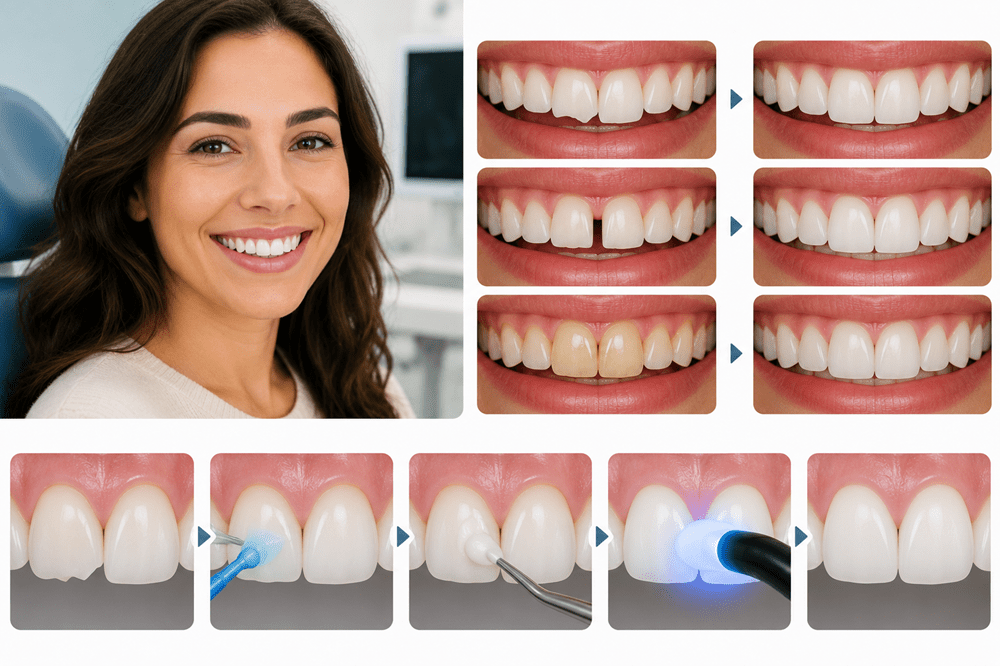
Dental bonding is a cosmetic procedure that involves the application of a tooth-colored resin to improve the appearance of a person’s tooth. The material is molded intensively, hardened, and polished so it blends with other teeth.
If considering dental bonding in Valencia, the treatment may be recommended for:
- Small chips
- Minor gaps between teeth
- Slightly uneven tooth edges
- Small areas of surface discoloration
- Minor changes to tooth shape
A dental examination helps determine whether bonding is the most appropriate treatment.
Can Dental Bonding Repair Chipped Teeth?
Yes. Dental bonding is commonly used to repair small chips caused by minor accidents or everyday wear.
Bonding can help:
- Restore the original shape of the tooth.
- Smooth rough edges
- Improve smile appearance
- Protect the chipped area from further wear.
- Blend with nearby natural teeth.
Larger fractures may require a different restorative treatment depending on the amount of tooth damage.
Can Dental Bonding Close Small Gaps?
Dental bonding may be used to close small spaces between teeth without moving the teeth themselves.
It may be suitable for:
- Small gaps between front teeth
- Uneven spacing
- Minor cosmetic improvements
- Creating a more balanced smile
- Improving tooth symmetry
The dentist in Valencia, CA will determine whether bonding or orthodontic treatment is more appropriate based on the size of the gap.
Can Dental Bonding Improve Discoloration?
Dental bonding does not whiten natural teeth. Instead, it can cover small areas of discoloration using a tooth-coloured resin that matches nearby teeth.
It may help improve the appearance of:
- Small discoloured spots
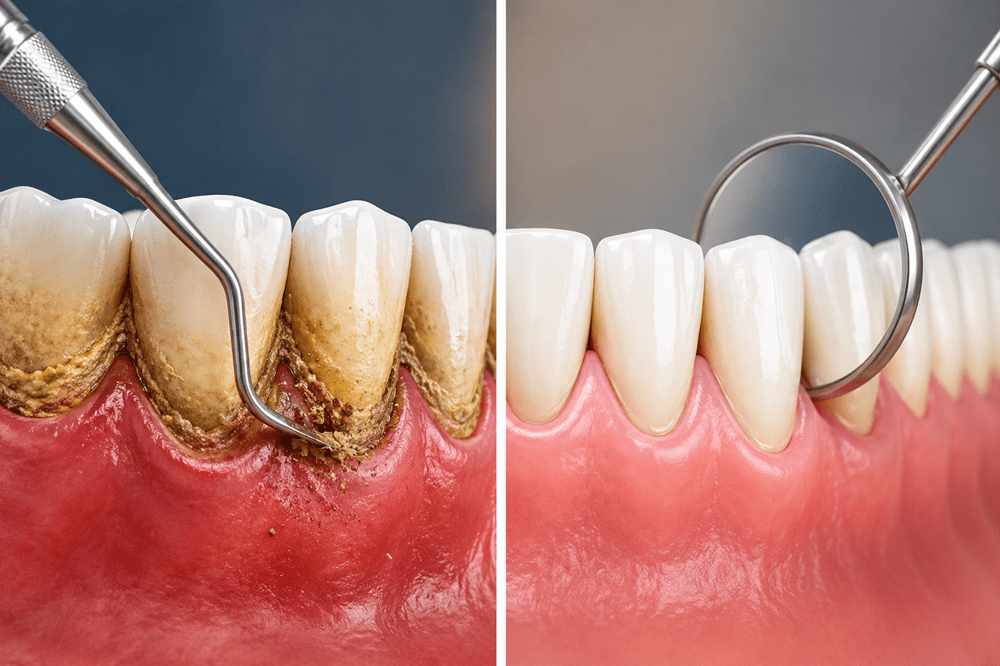
- Stains that do not respond to whitening
- Minor colour differences on individual teeth
- Cosmetic surface imperfections
- Localized enamel defects
A professional evaluation helps identify whether bonding or another cosmetic treatment is the better option.
What Are the Benefits of Dental Bonding?
Dental bonding is a simple way to improve small cosmetic problems while keeping most of your natural tooth.
Some benefits include:
- Natural-looking results
- Conservative treatment
- Usually completed in one visit.
- Little removal of healthy tooth structure
- Smooth blending with surrounding teeth
The treatment plan depends on the condition of the affected tooth.
How is Dental Bonding Performed?
The method is usually quite simple and performed in one treatment.
Most likely steps consist of.
- Looking at the tooth.
- Choosing a tooth hue that is not similar to the original tooth.
- Preparing the tooth surface
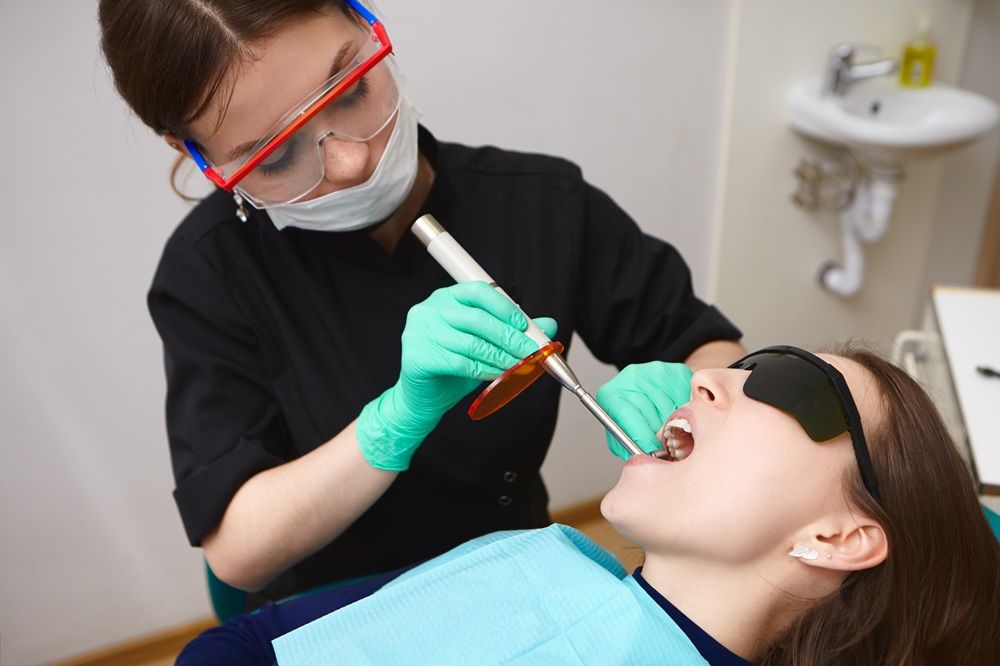
- Applying and shaping the bonding material
- Hardening and polishing the restoration
The final result is adjusted to fit comfortably with the bite.
How Long Does Dental Bonding Last?
How long dental bonding lasts depends on your daily habits, how well you care for your teeth, and where the bonded tooth is located.
To help your bonding last longer:
- Brush your teeth twice a day.
- Floss every day
- Avoid biting hard objects like ice or pens.
- Limit foods and drinks that can stain the bonding.
- Visit your dentist for regular checkups.
Over time, dental bonding may need small repairs or replacement because of normal wear and tear.
When should a dentist evaluate cosmetic concerns?
Not every cosmetic concern is best treated with dental bonding. Some situations may require veneers, crowns, or orthodontic treatment.
A dentist in Valencia, CA may evaluate:
- The size of chips or gaps
- Tooth colour
- Bite alignment
- Tooth strength
- Overall oral health
This evaluation helps determine the most suitable treatment option.
Refresh Your Smile with Customized Cosmetic Solutions!
Dental bonding is a simple way to repair small chips, close minor gaps, and improve the look of stained teeth while keeping most of your natural tooth. A dental checkup can help your dentist decide if this treatment is the right choice for your smile.
Visit Dr. Brian Gradinger, DMD, General & Cosmetic Dentistry for a complete smile evaluation and a treatment plan made just for you. Book your appointment today and take the next step toward a healthier, more confident smile.
FAQs
What can dental bonding repair?
Dental bonding is commonly used to repair small chips, close minor gaps, improve tooth shape, and cover small areas of discoloration.
Does dental bonding whiten teeth?
No. Bonding does not whiten natural teeth, but it can cover certain areas of discoloration with tooth-coloured material.
What is the lifespan of dental bonding?
Its longevity depends on oral hygiene and daily habits. Regular dental care helps keep the restoration intact.
Will it hurt to get dental bonding?
Dental bonding usually feels pleasant. In most cases, hardly any (or no) natural tooth structure is removed.