

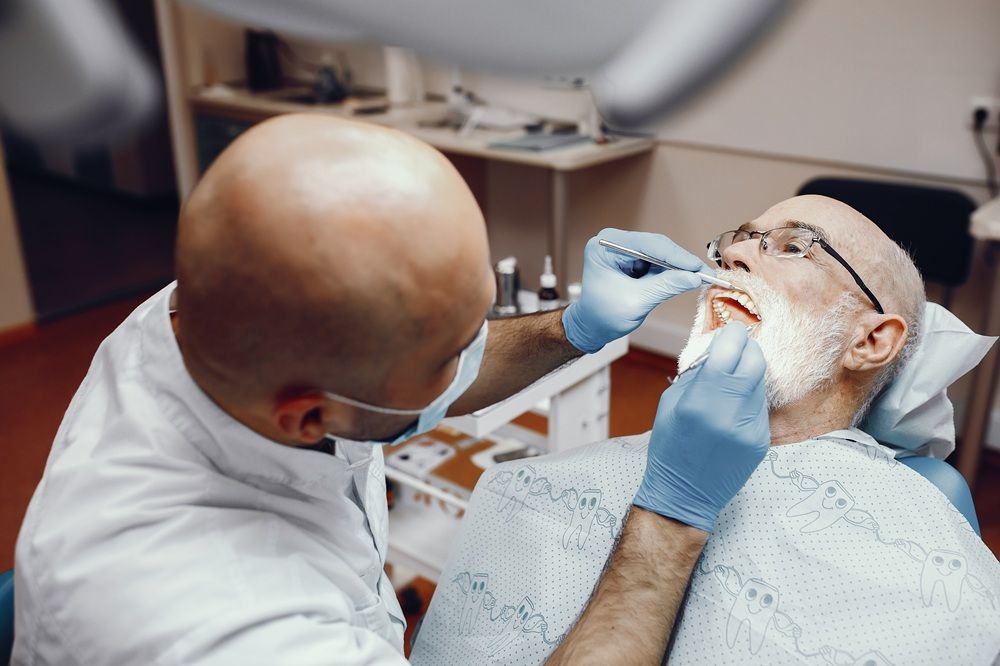
New dentures may need a few adjustments before they feel comfortable and fit well. Even when dentures are made to match the shape of your mouth, your gums, jaw, and mouth muscles need time to get used to them. Small changes in the fit can also cause sore spots, rubbing, or difficulty chewing. These issues are common during the early stages of wearing dentures and do not always mean something is wrong with them. If you are looking for dentures near you, it is important to visit your dentist for regular checkups. Your dentist can check how your dentures fit, find areas that feel tight or cause pain, and make changes to improve comfort. These visits help your dentures fit better and stay in place. They can also make everyday activities, such as eating and speaking, easier as you get used to your dentures.
Why Do New Dentures Feel Uncomfortable at First?
New dentures can feel strange because your mouth is adjusting to an appliance it has not worn before. Your gums and cheeks may need time to get used to the new shape and pressure.
Some common early problems include:
- Sore spots: Certain areas of the dentures may press against your gums, causing irritation.
- Loose fit: The dentures may move when you talk, laugh, or eat.
- Difficulty chewing: Your mouth needs time to learn how to manage food with dentures.
- Speech changes: Some words may feel harder to say until your tongue gets used to the dentures.
- Increased saliva: Your mouth may produce more saliva as it adjusts to the new appliance.
These problems should be discussed during follow-up visits, especially if they cause pain or make it difficult to wear your dentures.
How Does a Dentist Adjust New Dentures?
A dentist checks how your dentures fit and identifies areas that may need small changes. The goal is to reduce pressure, improve stability, and make the dentures more comfortable.
During an adjustment visit, the dentist may:
- Check for pressure spots: The dentist looks for areas where the dentures rub against the gums.
- Smooth rough areas: Small changes can reduce rubbing and irritation.
- Improve the fit: The dentist may adjust parts of the denture that do not sit properly.
- Check your bite: The dentist checks whether your upper and lower teeth meet evenly when you close your mouth.
- Assess movement: The dentist checks whether the dentures shift while you speak or bite.
If you need dentures near you, regular follow-up visits can help identify fit issues before they cause further irritation.
Why Can Dentures Become Loose After They Are Made?
Your gums and jawbone can change shape after teeth are removed. As the mouth heals, swelling goes down, and the gum tissue and bone may shrink or change. This can leave gaps between the dentures and your gums, making them feel loose.
Other factors that can affect the fit include:
- Natural changes in gum shape over time.
- Weight changes that may affect the soft tissues around the mouth.
- Wear or damage to the denture material.
- Changes in the way the upper and lower dentures meet.
A dentist may recommend an adjustment or a denture reline, depending on the problem. A reline changes the inner surface of the denture to help it fit the current shape of your gums. If the dentures are badly worn or no longer suitable, replacement may be discussed.
When Should You Visit a Dentist for Denture Adjustments?
Do not wait until your dentures become too uncomfortable to wear. Contact a dental office in Valencia if you notice problems such as:
- Pain that continues or gets worse.
- Sores, cuts, or bleeding on your gums.
- Dentures slipping while eating or speaking.
- Difficulty chewing because the dentures move.
- A bite that feels uneven or uncomfortable.
Mild discomfort can happen while you adjust to new dentures, but ongoing pain is not something you should ignore. Avoid trying to file, bend, or repair the dentures yourself, as this can damage them or worsen the fit.
How Can You Care for Your Mouth Between Adjustment Visits?
Good daily care helps keep your mouth healthy while you get used to wearing dentures. Follow your dentist’s instructions and take these steps:
- Clean your dentures daily using a denture brush and a suitable denture cleaner.
- Gently clean your gums, tongue, and the roof of your mouth.
- Remove your dentures at night if your dentist advises you to.
- Eat soft foods at first and slowly add firmer foods as you become more comfortable.
- Avoid chewing very hard or sticky foods if they make your dentures move.
- Keep your follow-up appointments so the dentist can check the fit.
If you have concerns about the fit or care of your dentures, a dental office near you can help you understand what changes may be needed.
Get Help for a More Comfortable Denture Fit
Getting used to new dentures takes time, and small adjustments can make a difference in how they feel and work. Regular checks also help identify changes in your gums and jaw that may affect the fit. If your dentures cause pain, rubbing, or movement, do not try to fix them yourself.
Contact Dr. Brian Gradinger, DMD, your dental office in Valencia, to schedule a denture assessment and discuss the adjustments that may help improve your comfort.
FAQs
How many adjustments do new dentures usually need?
There is no fixed number. Some people need only a few small changes, while others need more visits as their mouths adjust and heal. The number depends on the fit and the areas causing discomfort.
Should new dentures hurt?
New dentures may feel unusual and cause mild soreness at first. However, severe or ongoing pain is not expected. A dentist can check for pressure spots and make the needed changes.
Can I adjust my dentures at home?
No. Do not file, cut, bend, or use household glue on your dentures. These changes can damage them and affect how they fit. Ask your dentist to make any needed adjustments.
Do dentures need adjustments even if they fit well at first?
Yes. Your gums and jaw can change as your mouth heals. These changes may affect how the dentures sit, even if they felt comfortable when first made.