

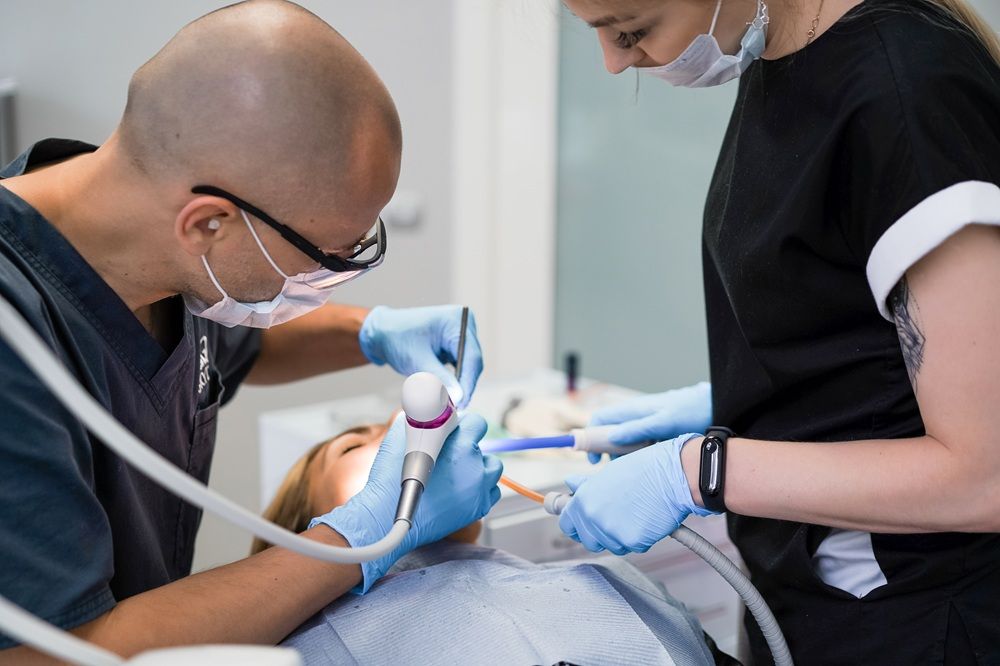
If you need several dental treatments, such as root canals, crowns, tooth extractions, or dental implants, spending a long time in the dental chair may feel stressful. Dental anxiety, fear of pain, or discomfort during treatment can make the experience even more difficult. Fortunately, sedation dentistry can help many patients feel calmer and more comfortable during longer dental appointments.
A trusted dental office near you can evaluate your dental needs and explain whether sedation may be suitable for your treatment. In some cases, multiple procedures can be completed during one extended appointment, depending on your oral health, treatment plan, and the type of sedation used.
Understanding how dental sedation works can help you feel more prepared and confident about getting the care you need.
Why Choose Sedation for Combined Dental Treatments?
When you need several dental procedures, you may have to attend multiple appointments. This can take time, affect your daily routine, and increase dental anxiety. Sedation may make longer visits more comfortable and help your dentist complete planned treatments more efficiently.
Here are some benefits of sedation during multiple dental procedures:
- Save Time:Sedation dentistry in Valencia may allow your dentist to complete several procedures during a single extended visit, reducing the need for separate appointments.
- Improve Comfort: Sedation can help you feel relaxed during longer treatments and reduce anxiety, although local anesthesia is still used to control pain when needed.
- Manage a Sensitive Gag Reflex: Sedation may help patients with a strong gag reflex feel more comfortable during certain dental procedures.
- Reduce Awareness of Treatment: Some types of sedation can make you feel drowsy and leave you with limited memory of parts of your appointment. The effect varies from person to person and depends on the sedation method.
Your dentist will determine whether combining procedures is appropriate based on the complexity of your treatment and your overall health.
Common Types of Dental Sedation Available
The type of sedation you receive depends on your medical history, anxiety level, planned procedures, and individual needs. Your dentist will explain the available options and help you understand what to expect.
Nitrous Oxide (Inhalation Sedation)
Nitrous oxide, often called laughing gas, is a mild sedative that you breathe through a small mask placed over your nose. It helps you feel calm and relaxed while remaining awake and able to respond to your dentist.
The effects usually wear off quickly after the gas is stopped and oxygen is given. However, whether you can drive afterward depends on your dentist’s instructions and your individual circumstances.
Oral Conscious Sedation
Oral conscious sedation involves taking a prescribed medication before your dental appointment. It can help reduce anxiety and make you feel calm or sleepy during treatment.
You generally remain conscious and may respond to your dentist’s instructions, but you might feel drowsy and remember little about parts of the procedure. The effects can last for several hours, so you will need to follow your dentist’s instructions for recovery and transportation.
If you are exploring ways to feel more comfortable during dental treatment, sedation dentistry near you can help you learn about available sedation options for longer appointments and multiple restorations.
Preparing for Your Multi-Procedure Appointment
Preparing in advance can help make your sedation appointment more comfortable and safe. Follow the instructions provided by your dental team.
- Share Your Medical History: Tell your dentist about your medical conditions, prescription medications, supplements, and allergies. This information helps your team determine which sedation options may be appropriate.
- Follow Eating and Drinking Instructions: Your dentist will explain whether you need to avoid food or drinks before your appointment. Fasting requirements depend on the sedation method and your treatment, so follow the specific instructions you receive.
- Arrange Transportation: If you receive oral sedation, have a responsible adult take you to and from your appointment. You may feel sleepy or less alert for several hours afterward, so do not drive until it is safe to do so and your dental team has cleared you.
- Ask Questions Before Treatment: Discuss the planned procedures, expected appointment length, possible side effects, and recovery instructions with your dentist so you know what to expect.
Restore Your Smile Comfortably and Efficiently
Needing several dental procedures does not mean you have to face every appointment with worry. Sedation may help make longer dental visits more manageable and allow your dentist to complete suitable treatments according to your needs.
Our team focuses on your comfort, safety, and individual treatment goals. We can discuss your concerns, review your dental needs, and explain whether sedation may be an appropriate option for you.
Schedule a consultation with Dr. Brian Gradinger, DMD, to explore your treatment options and take the next step toward a healthier smile.
Frequently Asked Questions
Will I be completely asleep during sedation dentistry?
No. With common methods of conscious sedation, such as nitrous oxide or oral sedation, you generally remain awake and can respond to your dentist. You may feel relaxed or sleepy and may remember little about parts of the visit. General anesthesia, which makes you fully unconscious, is different and requires specific training, monitoring, and facilities.
Is it safe to combine multiple procedures under sedation?
Combining multiple dental procedures under sedation may be appropriate for some patients. However, safety depends on your medical history, the type and duration of treatment, the sedation method, and the level of monitoring provided. Your dental team will assess these factors before recommending a treatment plan.
How long does it take for dental sedation to wear off?
Nitrous oxide usually wears off within minutes after it is stopped and oxygen is given. Oral conscious sedation can cause drowsiness for several hours, and its effects may last longer depending on the medication and individual response. Follow your dentist’s recovery instructions and avoid driving until you are cleared to do so.
Can anyone qualify for dental sedation?
Not everyone is a suitable candidate for dental sedation. Your dentist will review your medical history, current medications, and overall health before making a recommendation. Conditions such as sleep apnea, breathing problems, pregnancy, and certain medication interactions may affect which options are appropriate. A dental office can assess your individual needs and help you understand the available choices.