


A tooth infection can start with a toothache, sensitivity, or swelling, but it can become more serious if the infection spreads. A dental office near you can assess the cause of the problem and determine how quickly treatment is needed. A dental infection may lead to an abscess, which is a pocket of pus caused by infection. Signs such as facial swelling, fever, worsening pain, or difficulty opening the mouth should not be ignored. Severe swelling that affects breathing, swallowing, or speaking requires immediate medical attention. Early dental care can help identify the source of the infection and prevent the problem from becoming more serious.
How Does a Tooth Infection Start?
A tooth infection can develop when bacteria reach the deeper parts of a tooth. Untreated tooth decay is a common cause, but an injury or other dental problem may also allow infection to develop.
Early signs may include:
- Toothache or throbbing pain
- Sensitivity to hot or cold
- Pain when biting or chewing
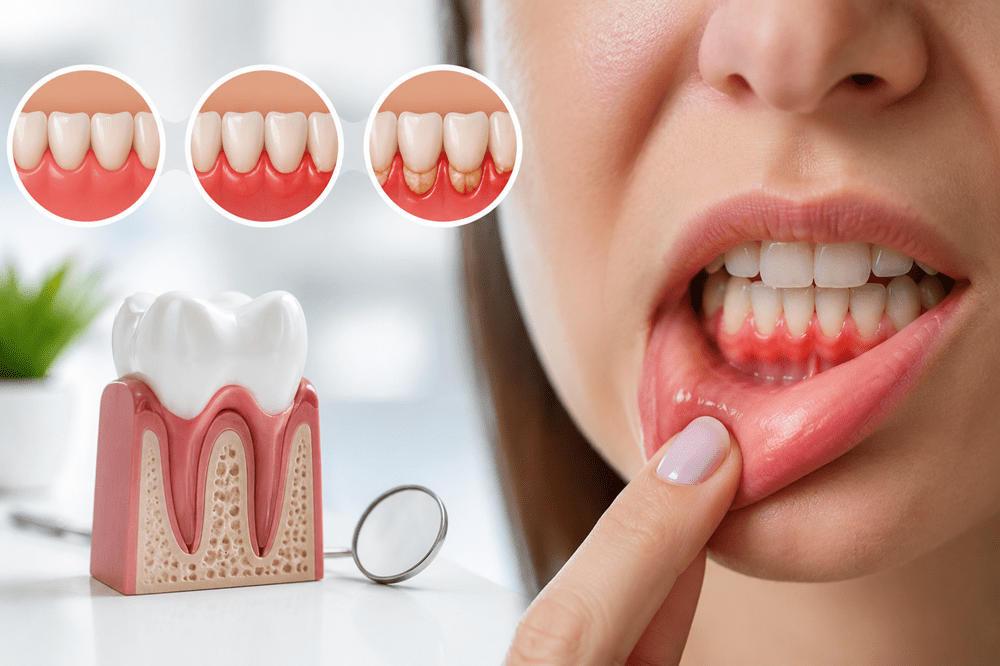
- Red or swollen gums
- A bad taste in the mouth
- Swelling around the tooth
A dental office in Valencia can examine the tooth and identify the source of the infection before it becomes more difficult to manage.
When Does a Tooth Infection Become an Emergency?
A tooth infection can be more serious if the swelling or infection spreads to other areas around the tooth. Severe symptoms should be checked by a dentist as soon as possible.
Warning signs include:
- Swelling in the face, jaw, or mouth
- Fever or feeling generally unwell
- Increasing pain or swelling
- Difficulty opening the mouth
- Trouble swallowing or speaking
- Difficulty breathing
- Swelling around the eye or changes in vision
Difficulty breathing or swallowing, significant mouth or neck swelling, or swelling affecting the eye can require emergency medical care.
Why Should Severe Tooth Pain Not Be Ignored?
Severe tooth pain can indicate that the inside of the tooth is badly inflamed or infected. Pain that affects sleep, daily activities, or does not improve should be assessed rather than left untreated.
A dentist near you can check whether the pain is linked to decay, an infection, a damaged tooth, or another dental problem. Finding the cause is important because pain relief alone does not remove the source of an infection.
How Can Root Canal Treatment Help?
When the inside of a tooth is infected or badly damaged, a root canal may be an option. Root canal treatment removes the damaged or infected tissue from inside the tooth. The area is then cleaned and sealed.
The main goal is to treat the infection and keep the natural tooth when possible. The treatment depends on the condition of the tooth and the tissues around it. In some cases, removing the tooth may be another option.
What Happens If a Tooth Infection Is Left Untreated?
A dental infection does not always remain limited to the original tooth. An abscess may continue to cause pain and swelling, and an infection can spread into nearby tissues.
Root canal treatment in Surrey may be recommended when the tooth can be treated and preserved. If the infection is more advanced, other treatment may be needed. Antibiotics may be used in some situations, particularly when there are signs that the infection is affecting the wider body, but they do not replace treatment of the infected tooth when dental treatment is needed.
What Should Be Done While Waiting for Dental Care?
While waiting for an appointment, some simple steps may help manage discomfort. These steps do not cure the infection.
- Take pain medicine only as directed on the label or by a healthcare professional.
- Choose softer foods if chewing is painful.
- Avoid very hot or cold foods and drinks if they increase sensitivity.
- Keep the mouth clean with gentle brushing.
- Do not place aspirin directly on the tooth or gum.
- Do not delay urgent care if swelling or other warning signs are getting worse.
A dental office in Valencia can provide guidance on the next step based on the symptoms and dental findings.
Get Prompt Care for Tooth Infection Warning Signs!
A tooth infection can become serious when it spreads or causes significant swelling and other symptoms. Prompt dental assessment can help identify the cause and determine whether treatment such as a root canal or another approach is needed.
Dr. Brian Gradinger, DMD, can assess tooth pain, swelling, and possible infection and explain the appropriate treatment options. Book an appointment for timely dental care when warning signs of a tooth infection appear.
FAQs
Can a tooth infection go away on its own?
A dental abscess needs dental treatment and should not be left to heal on its own. The pain may get better for a while, but the infection can still be there.
Is swelling always a sign of a dental emergency?
Swelling can be a sign of an infection that needs quick dental care. If the swelling is severe or spreading, or if you have trouble breathing or swallowing, seek immediate medical help.
Can a root canal stop a tooth infection?
A root canal can treat infection inside a tooth by removing the affected tissue, cleaning the inside, and sealing it. Whether it is suitable depends on the condition of the tooth.
Does an infection always cause severe pain?
No. Dental infections can cause different symptoms, and the level of pain may vary. Swelling, a bad taste, fever, or other changes can also indicate an infection.