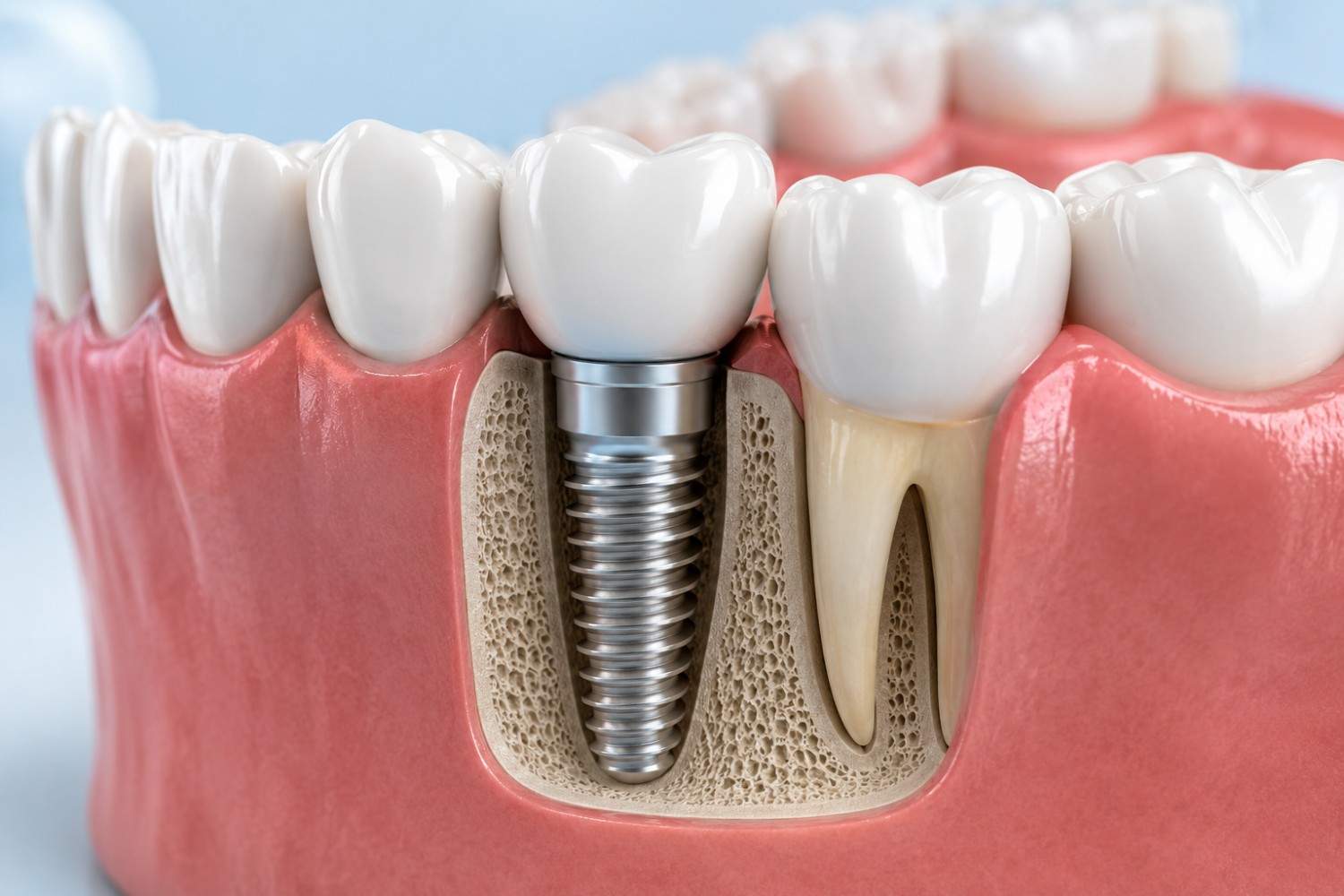


Dental implant recovery takes time, and knowing what to expect can make it easier. If you are considering dental implants in Valencia, you may have some soreness, swelling, or changes to your routine for a short time. Healing time can vary depending on the number of implants, the treatment you have, and your oral health.
A dentist can provide instructions based on your specific procedure. Following those instructions, keeping the area clean, and attending follow-up visits can help support proper healing.
What Happens Right After Implant Surgery?
The first few days are usually when you notice the most swelling or tenderness. Some bleeding may also occur soon after the procedure.
You may be advised to:
- Rest for the remainder of the day.
- Follow the recommended pain-relief instructions.
- Use a cold pack as directed to help with swelling.
- Choose soft foods
- Avoid disturbing the treated area.
- Follow your dental care instructions carefully.
These effects should gradually improve as healing continues.
What Should You Eat During Recovery?
Your mouth may feel sore after implant surgery, so soft foods can be easier to eat. Foods that need little chewing can also put less pressure on the treated area.
Suitable choices may include:
- Yogurt
- Scrambled eggs
- Mashed vegetables
- Soft pasta
- Oatmeal
- Smooth soups that are not hot
- Soft fish when comfortable
Avoid very hard, crunchy, sticky, or extremely hot foods until you are told they are safe to eat.
How Long Does Implant Healing Take?
Recovery does not happen all at once. The gums may feel better within days or weeks, but the implant itself needs more time to become firmly supported by the jawbone.
The overall timeline can vary depending on:
- Your general oral health
- The number of implants placed
- Whether bone grafting was needed
- The location of the implant
- Your body’s healing response
- Your ability to follow aftercare instructions
A dentist near you can explain the expected timeline for your treatment.
What Changes Can You Expect During the First Week?
The first week is mainly about protecting the surgical area while your mouth begins to heal.
You may notice:
- Mild to moderate soreness
- Swelling around the treated area
- Temporary tenderness while eating
- Some bruising
- A feeling of tightness around the gums
These symptoms should generally become less noticeable over time. If pain, swelling, or bleeding becomes worse instead of improving, contact your dental provider.
When Can You Return to Normal Activities?
Many daily activities can gradually be resumed as you feel comfortable, but strenuous exercise may need to be limited for a short period.
Your recovery instructions may include avoiding:
- Heavy physical activity immediately after surgery
- Smoking or tobacco use
- Alcohol during the period recommended by your dental provider
- Foods that could disturb the surgical area
- Touching or pressing the implant site unnecessarily
The safest timeline depends on the procedure you received.
How Should You Clean Your Mouth?
Keeping your mouth clean remains important during recovery, but the treated area may need special care.
Follow the cleaning instructions provided after surgery. You may need to brush the surrounding teeth carefully while avoiding direct pressure on the healing site until advised otherwise.
Do not scrub the surgical area or use cleaning products that have not been recommended for your recovery.
What Happens During the Later Healing Stage?
As the gums settle, the implant continues to heal beneath the surface. You may feel normal again before the implant has completely finished healing.
This is why follow-up appointments are important. Your dental provider can check the healing area and determine when the next stage of treatment can safely move forward.
If you are receiving dental implants near you, your treatment timeline may include a healing period before the final replacement tooth is attached.
What Can Affect Your Recovery?
Healing can vary from one person to another. Certain factors may make recovery slower or require closer monitoring.
These can include:
- Poor oral hygiene
- Smoking or tobacco use
- Existing gum problems
- Certain health conditions
- Complex implant surgery
- Bone grafting or other additional procedures
Following your care instructions and keeping scheduled appointments can help your dental team monitor your progress.
Take the Next Step Toward Your New Smile!
Understanding your recovery timeline can help you prepare for each stage and recognize changes that may need professional attention.
Book an appointment with Dr. Brian Gradinger, DMD, to discuss your dental implant treatment, recovery expectations, and the care needed to support healing.
FAQs
How soon can you eat after implant surgery?
Your dentist may ask you to wait until the numbness goes away before eating. Soft, gentle foods are often easier to eat while your mouth heals.
Can you brush your teeth after getting an implant?
Keeping your mouth clean is important, but you may need to avoid the treated area for a while. Follow your dentist’s brushing instructions after surgery.
How long does it take for an implant to feel normal?
Your gums may feel better fairly quickly, but the deeper healing process takes longer. Healing time can be different for each person.
What should you do if something feels wrong during recovery?
Contact your dentist if you have severe pain, worsening swelling, ongoing bleeding, fever, or unusual fluid coming from the area.