

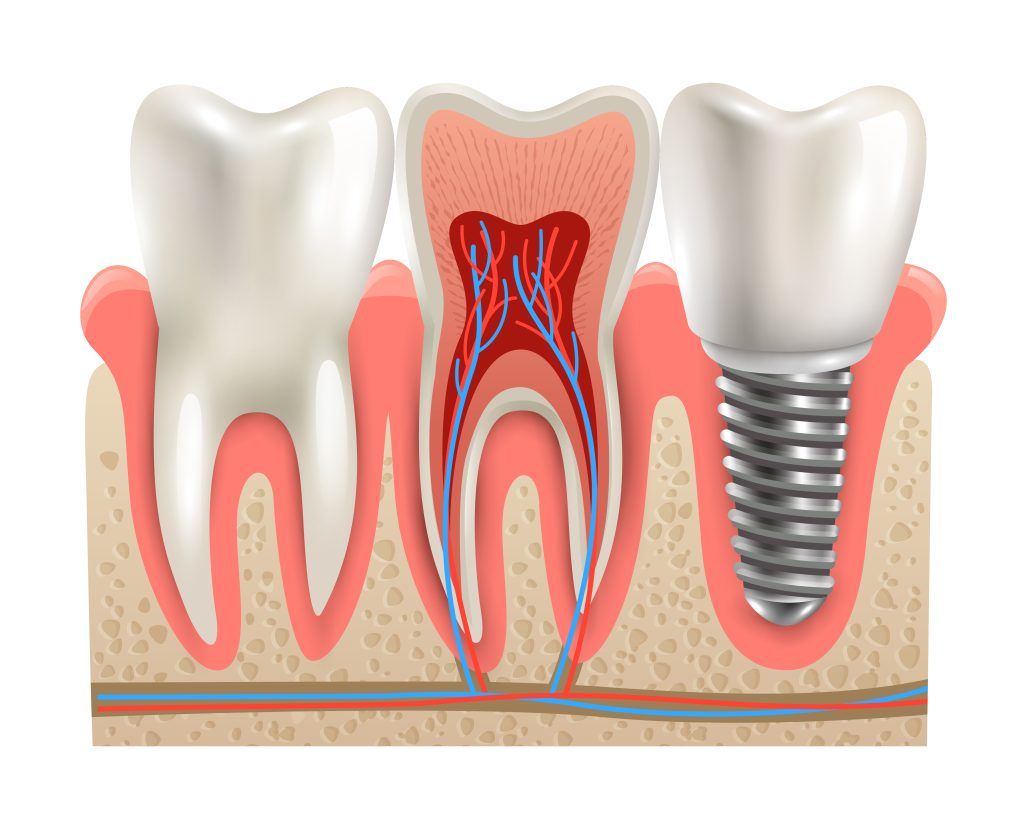
Dental implants are the best way to replace missing teeth because they work just like the ones you were born with. While most people have no trouble at all, it is still smart to know about the small problems that can happen.
Talking to a skilled dentist in Valencia, CA, before you start is the best way to make a plan for a safe and easy recovery.
When you understand the risks and how to stop them, you can feel much better about your new smile. Knowing the facts helps you take great care of your mouth, so your new tooth stays strong for a lifetime.
What Are the Common Problems with New Teeth?
Every surgery has a few risks, and getting a new tooth is no different. What are the most common dental implant risks patients should know about?
Most of the time, the mouth heals perfectly, but a few people might have to deal with germs or bone issues.
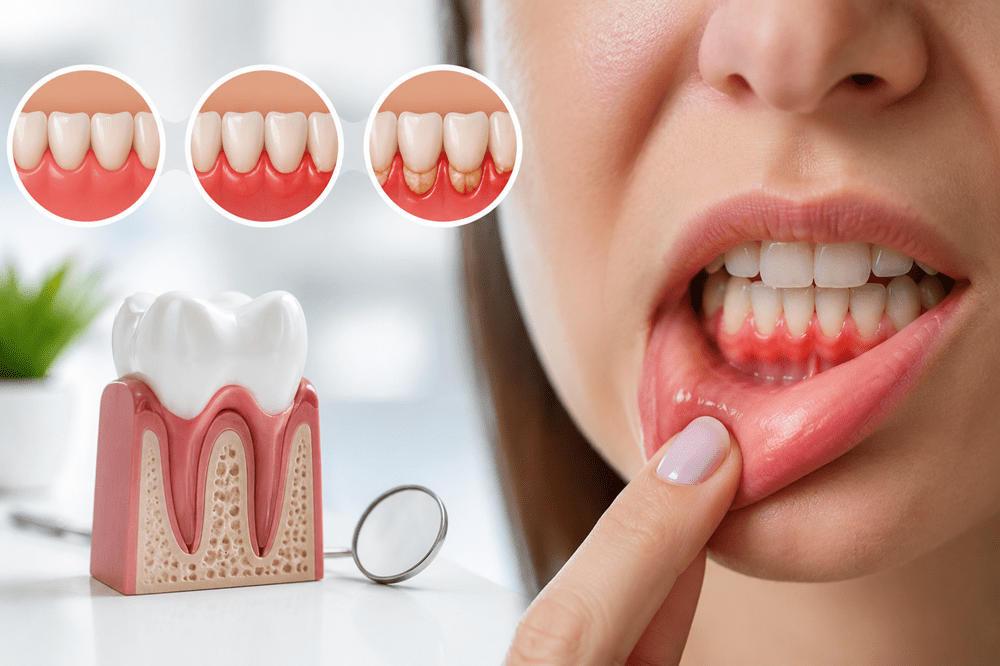
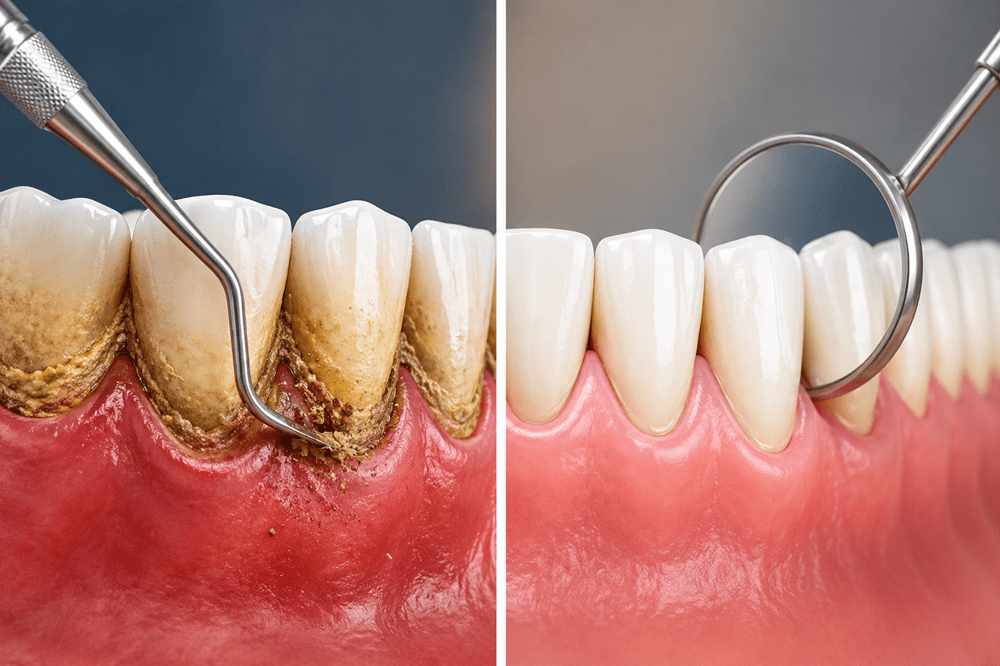
- Infections: This is like a gum cold that happens around the metal post, usually because germs got under the skin.
- Loose Implants: Sometimes the jawbone doesn’t grow around the post tightly enough, which can make the tooth wiggle.
- Nerve Tingling: In very rare cases, the post might be too close to a nerve, making your lip or chin feel fuzzy.
- Sinus Pressure: For top teeth, the post might poke the sinus area if the bone is too thin.
Who Needs to Be Extra Careful?
Not everyone has the same chance of having a problem. Who is most at risk for dental implant complications?
Usually, people with certain habits or health issues need to be watched more closely by their dental team.
- Smokers: Using tobacco slows down the blood flow, which makes it much harder for your gums to heal.
- People with Diabetes: If blood sugar is high, your body has a hard time fighting off germs that could hurt the tooth.
- Thin Jawbones: If your bone is too small, the implant won’t have enough “grip” to stay steady.
- Not Brushing Well: If you don’t clean your mouth, germs will quickly build up around the metal and cause a sore spot.
Finding The Best Help Near Your Home
If you want to replace a tooth, searching for dental implants near you is a great way to find a team that can check on you often.
Being close to the office makes it very easy to stop by for quick visits to make sure your gums look pink and healthy. A local team can give you the best advice for your own health, making sure every step is done right.
They will tell you exactly what to expect while your mouth heals. Having experts nearby gives you peace of mind while your new tooth becomes part of your smile.
How To Help Your Implant Succeed?
| Things That Help | Things That Hurt |
| Strong, thick jawbone | Using tobacco or smoking |
| Brushing and flossing daily | Gum disease that isn’t fixed |
| Seeing the dentist for cleanings | Grinding your teeth at night |
| Eating healthy vitamins | Poorly managed health issues |
Why Do the Right Materials Matter?
The type of metal used for your new tooth is a big deal for how well you heal. Choosing dental implants in Valencia means you are getting high-quality titanium or zirconia that your body likes.
This means your body sees the metal as a friend, which helps the bone grow tightly around it to hold it still. When the best parts are used, it is very rare for your body to say “no” to the new tooth.
Buying the best materials from the start is the best way to make sure your smile stays great for twenty or thirty years.
How To Stop Problems Before They Start?
The best way to fix a problem is to make sure it never happens by doing a few easy things at home.
- Stop Smoking: Quitting even for a little while helps your mouth heal much faster.
- Be Gentle: Use a soft toothbrush so you don’t scratch your gums while they are getting used to the new tooth.
- Eat Good Food: Getting enough vitamins helps your bones stay strong and hard around the implant.
- Wear a Guard: If you grind your teeth in your sleep, a mouth guard keeps the pressure from cracking your new tooth.
Keeping Your Smile Healthy for Years
Even though a fake tooth can’t get a cavity, it still needs to be cleaned by a professional to stay in good shape.
- Deep Cleanings: Every six months, the team uses special tools to clean the metal without hurting it.
- Check-Ups: Seeing the bone under the gums with X-rays helps the team find problems before they hurt.
- Bite Checks: As you get older, your teeth move, so the team makes sure the new tooth isn’t getting hit too hard when you chew.
- Firm Gums: Keeping the skin around the tooth tight and healthy is the best way to keep your implant safe.
Keeping Your Smile Strong and Safe
Getting a new tooth is a wonderful way to eat, talk, and laugh with joy again. While it is good to know about the small risks, most people have a perfect result and love their new look.
By picking a team you trust and doing simple cleaning at home, you can keep your mouth healthy for a long time. You deserve to feel great about your smile every single day.
At Dr. Brian Gradinger DMD, we are here to help you through every step with the best care possible.
Are you ready to get your smile back with safe and expert care? Contact Dr. Brian Gradinger DMD today to book your visit and see how we can help you get a lasting, healthy smile!
Frequently Asked Questions
How do I know if my implant is failing?
You might see redness or swelling, or the tooth might feel loose or have a dull ache.
Can a sore implant be saved?
If you catch the germs early, the team can clean it and give you medicine to save the tooth.
When can I eat crunchy food again?
You usually need to wait a few months for the bone to lock the tooth in place before eating hard snacks.
Are implants okay for older people?
Yes! As long as your bones are strong and you take care of your health, age doesn’t matter.