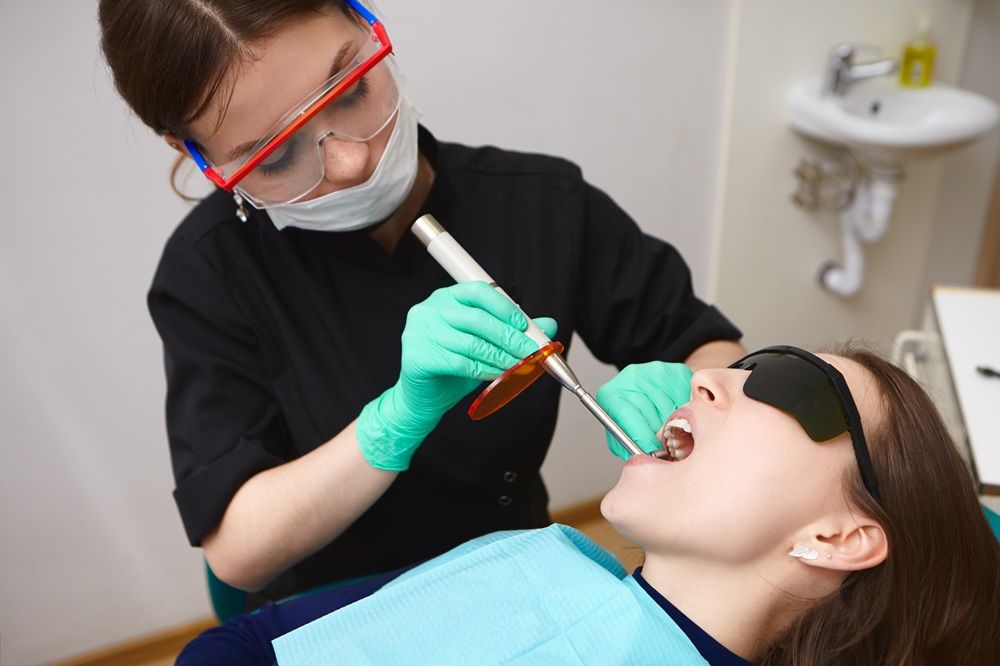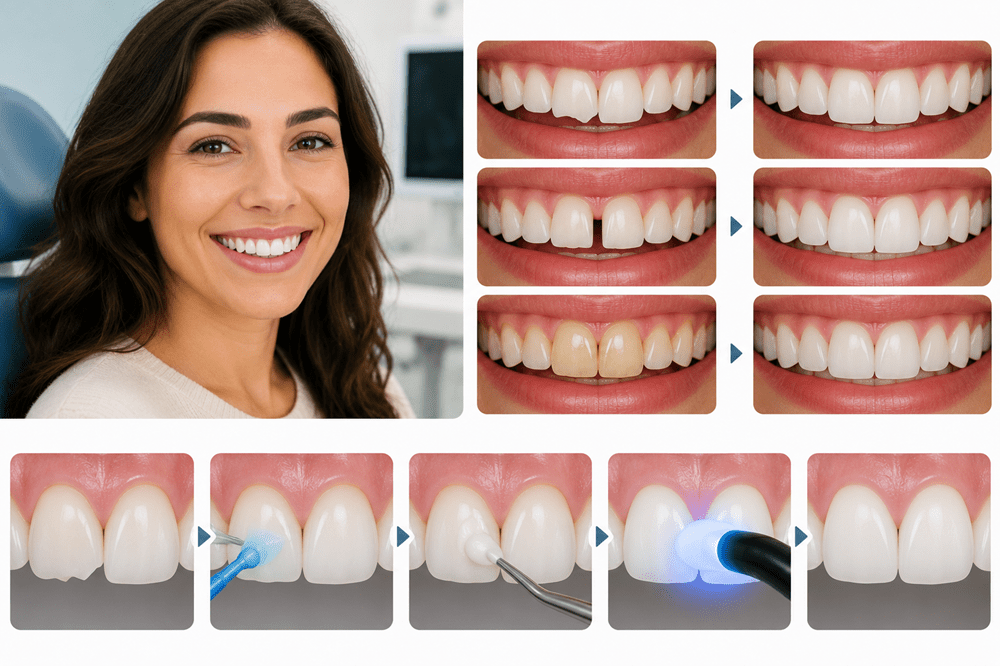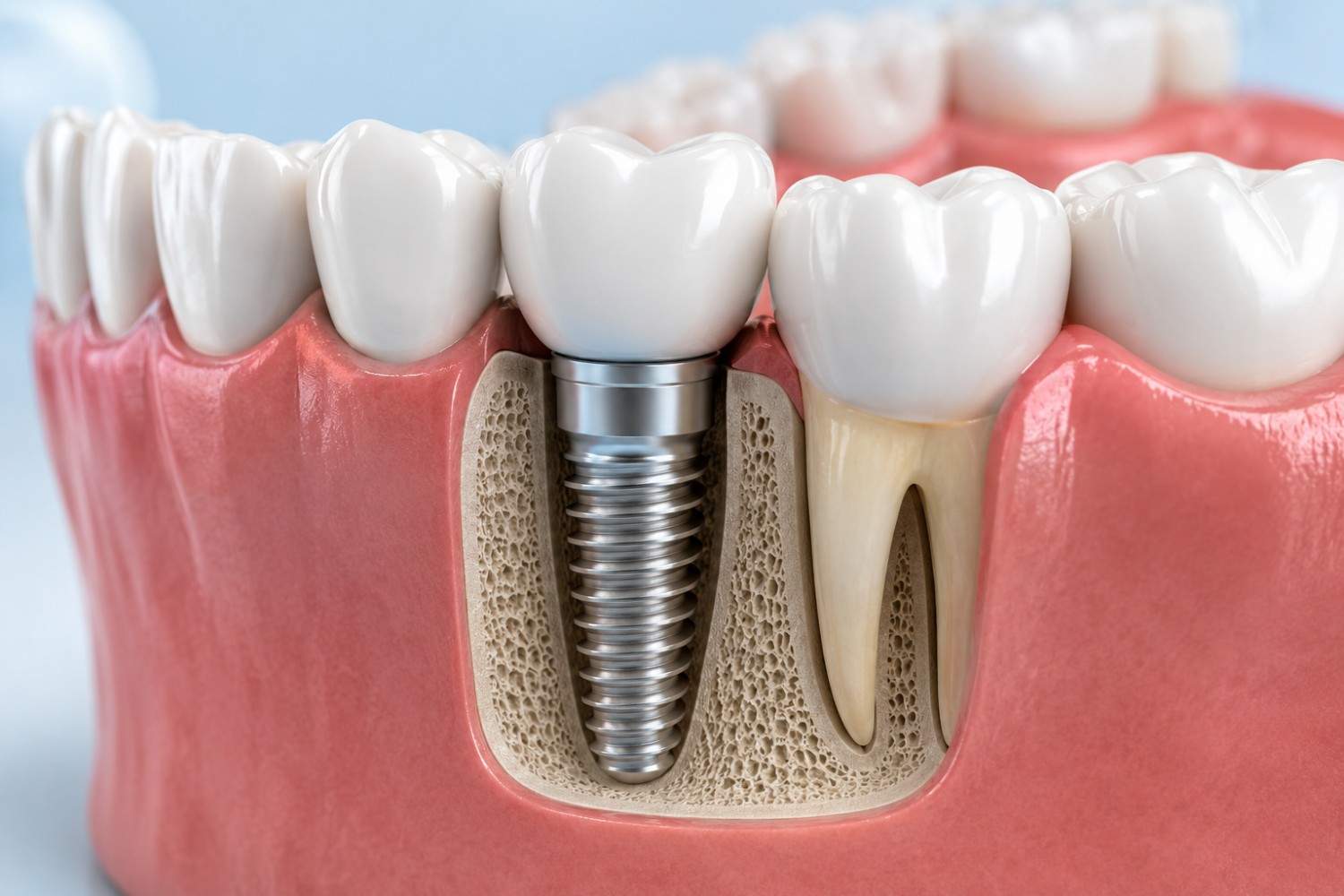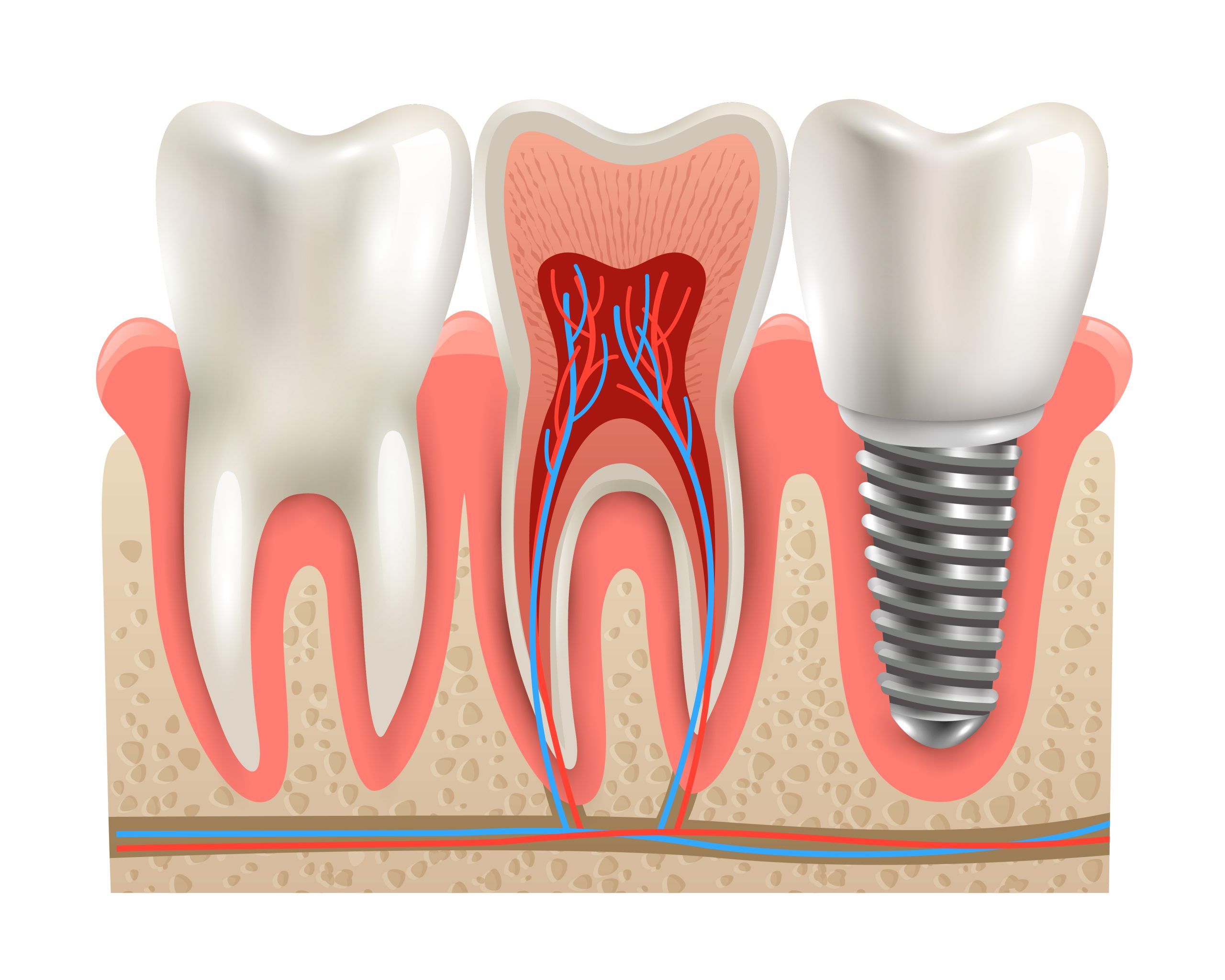


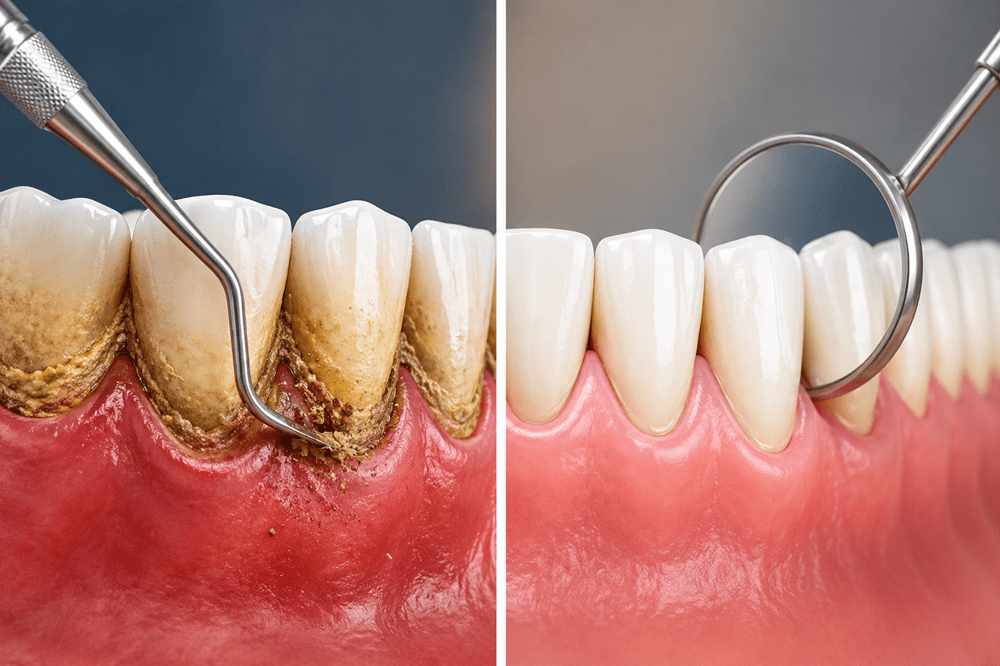
If a dentist says a deep cleaning is needed, there may be confusion because many people think all dental cleanings are the same. Regular cleaning and deep cleaning are not the same procedures. Regular cleaning removes plaque and tartar from tooth surfaces. Deep cleaning goes below the gum line and treats early gum disease. Knowing this difference helps better protect teeth and gums. Deep cleaning in Valencia is often recommended when gums show signs of infection, such as bleeding, swelling, or pockets around teeth. A dentist first checks gum health, then decides on the appropriate treatment for oral health care.
What Is a Regular Dental Cleaning?
A regular dental cleaning is also called prophylaxis. Most people get this done every six months. During this visit, the dental professional removes plaque and tartar from the surface of the teeth and just slightly below the gum line. This type of cleaning helps to maintain healthy teeth and gums.
What Is a Deep Cleaning?
A deep cleaning at the dentist is a more detailed procedure. The clinical name for it is scaling and root planing (SRP). It is not just a stronger version of regular cleaning. It is a completely different treatment.
Here is what happens:
- Scaling — The dentist removes plaque and calculus (hardened tartar) from below the gum line, going deep into the periodontal pockets.
- Root Planing — The root surfaces of the teeth are smoothed out so the gums can reattach properly and bacteria have fewer places to hide.
This procedure is usually done in two appointments — one side of the mouth at a time. Local anesthesia (numbing medicine) is often used to keep the patient comfortable.
Why Would a Dentist Recommend Deep Cleaning?
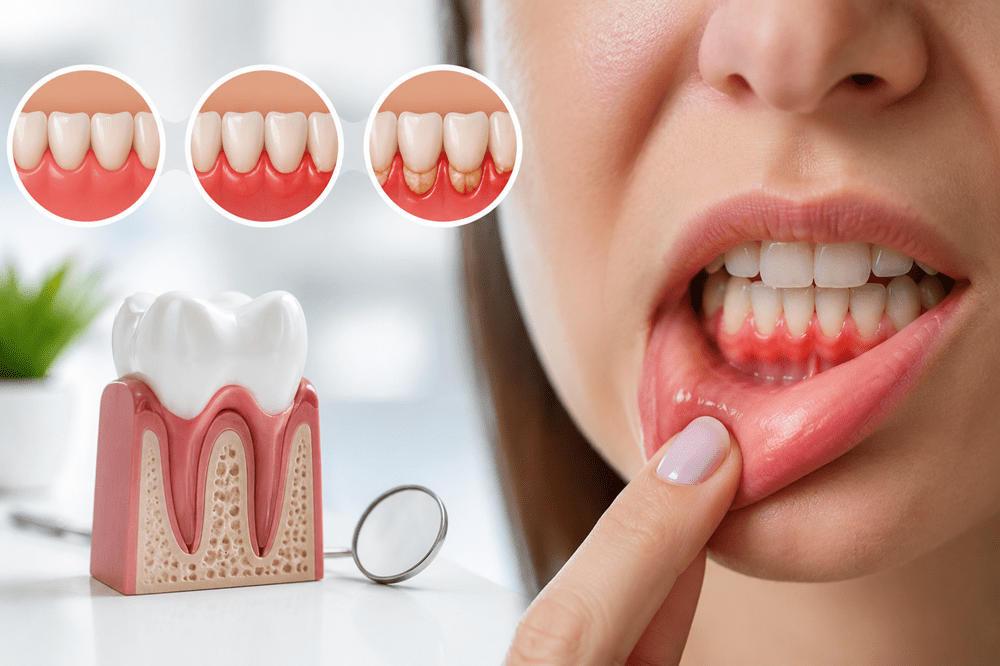
A dentist in Valencia recommends deep cleaning when there are signs of periodontal disease (gum disease). This happens when bacteria accumulate under the gum line, leading to infection.
Signs that may lead to this recommendation include:
- Gum pockets deeper than 4 millimeters
- Bleeding gums
- Bone loss is visible on X-rays
- Gum recession (gums pulling away from the teeth)
- Persistent bad breath
If left untreated, gum disease can lead to tooth loss and has been linked to health problems like heart disease and diabetes.
Deep Cleaning vs. Regular Cleaning
| Feature | Regular Cleaning (Prophylaxis) | Deep Cleaning (Scaling & Root Planing) |
| Purpose | Preventive maintenance | Treatment of gum disease |
| Area cleaned | Above and slightly below gum line | Deep below the gum line |
| Gum pocket depth | Up to 3 mm (healthy) | 4 mm or more (diseased) |
| Anesthesia needed? | Usually no | Usually yes |
| Number of visits | One visit | Often two visits |
| Frequency | Every 6 months | As recommended by dentist |
| Who needs it? | Everyone (for maintenance) | Patients with periodontal disease |
Benefits of Deep Cleaning
Getting a deep cleaning when it is needed is one of the best things a patient can do for long-term oral health. Here are the main benefits of deep cleaning:
Stops Gum Disease from Getting Worse
Removing bacteria from below the gum line stops the infection from spreading further.
Reduces Gum Pocket Depth
After deep cleaning, gum pockets often shrink as the gums heal and reattach to the teeth.
Helps Prevent Tooth Loss
Untreated periodontal disease is one of the top causes of tooth loss in adults. Treating it early helps save natural teeth.
Freshens Breath
A major cause of chronic bad breath is bacteria hiding under the gums. Deep cleaning removes those bacteria.
Supports Overall Health
Research shows a connection between gum disease and serious health conditions like heart disease, stroke, and diabetes. Treating gum disease may help reduce those risks.
What to Expect After a Deep Cleaning
It is normal to feel some soreness or sensitivity in the gums for a few days after the procedure. The dentist may recommend:
- Rinsing with warm salt water
- Taking over-the-counter pain relief if needed
- Eating soft foods for a day or two
- Avoiding hot or cold foods if teeth feel sensitive
Most patients recover quickly and notice their gums feel healthier within a week or two.
How to Know If Deep Cleaning Is Needed
The only way to know for sure is to visit a dentist. During a routine exam, the dentist will use a small tool called a periodontal probe to measure the depth of the gum pockets around each tooth. If the pockets measure 4 mm or deeper — especially if bleeding or bone loss is present — a deep cleaning is usually the next step.
If it has been a while since the last dental visit, searching for a dental cleaning near you is a great first step. Early detection makes treatment easier and more effective.
Is Deep Cleaning Painful?
This is one of the most common questions patients ask. With proper numbing, the procedure itself should not be painful. There may be some tenderness afterward, but it is manageable and temporary.
Many patients say the results — healthier gums, fresher breath, and a cleaner mouth — are absolutely worth it.
Visit Dr. Brian Gradinger DMD Today!
Preventing cavities with regular cleaning is an important part of dental care at the clinic of Dr. Brian Gradinger, DMD. Regular dental visits help remove plaque and tartar from teeth. This supports healthy gums and lowers the risk of tooth decay. Our dentist checks oral health and suggests proper cleaning based on need. Clean teeth help maintain a healthy smile for children and adults. Call us to schedule your dental appointment.
FAQs
How often is deep cleaning needed?
It depends on the patient’s gum health. After completing the initial deep cleaning, the dentist may recommend a follow-up cleaning every three to four months — called periodontal maintenance — instead of the usual six-month schedule.
Where can someone find dental cleaning near them?
Searching online for dental cleaning near you is the easiest way to find a local dental clinic. Look for a clinic that offers periodontal evaluations so the appropriate type of cleaning can be recommended based on each patient’s gum health.
What should be done after deep cleaning?
Good brushing, flossing, and regular dental checkups help maintain results after the procedure.