

Undergoing a restorative procedure is a major step toward a complete, functional smile. While the surgery itself is a milestone, the success of your recovery depends heavily on how you nourish your body during the healing phase.
If you have recently received dental implants in Valencia, CA, your primary goal is to protect the surgical site while the implant integrates with your jawbone. Following a specific dietary protocol ensures that you avoid irritation and provide the nutrients necessary for bone regeneration and soft tissue repair.
Why Is A Soft Food Diet Necessary After Surgery?
Immediately following your procedure, the gums around the implant are tender, and sutures often protect the site. Applying excessive pressure from chewing can disrupt the blood clot or dislodge the implant before it has a chance to stabilise.
Consulting a dentist near you for a customized recovery plan is vital, but generally, a “no-chew” or “liquid” diet is recommended for the first 24 to 48 hours. This transition allows the initial inflammation to subside without the risk of mechanical trauma from hard or crunchy foods.
Which Foods Are Safe Post-Implant During The First Week?
When determining which foods are safe post-implant, focus on items that require little to no mastication. In the initial days, cold or room-temperature liquids are best, as heat can sometimes increase swelling.
- Smoothies and Shakes – Packed with vitamins, but remember to avoid straws as suction can disturb the surgical site.
- Pureed Soups – Blended vegetable or bone broths provide essential minerals.
- Greek Yoghurt and Pudding – High in protein and calcium, which are crucial for bone health.
- Mashed Foods – Hummus, avocado, and mashed potatoes are excellent calorie-dense options.
What Are The Best Eating Tips After Implant Surgery?
Proper technique is just as important as the food itself. One of the most important eating tips after implant surgery is to chew on the side of your mouth opposite the surgical site. This prevents food particles from becoming trapped in the incision. Additionally, stay hydrated by drinking plenty of water, but avoid carbonated beverages or alcohol for the first few days, as these can interfere with the natural healing process and medication efficacy.
How Should You Progress To Solid Foods?
Knowing how to eat after implant surgery involves a gradual reintroduction of textures.
Once the initial tenderness fades, usually after day three, you can move to “fork-tender” foods. These are items that can be easily cut or broken apart with the side of a fork. Think of flaky white fish, scrambled eggs, soft pasta, or steamed vegetables. Avoid anything with small seeds, like strawberries or poppy seeds, as these can easily lodge themselves under the gum line and cause infection.
How Can A Local Dental Office Assist In Your Recovery?
Regular follow-up appointments at a professional dental office in Valencia, CA allow your clinical team to monitor the healing of the soft tissue. If you experience persistent discomfort or are unsure if you are ready to return to a normal diet, your provider can perform a quick check of the site.
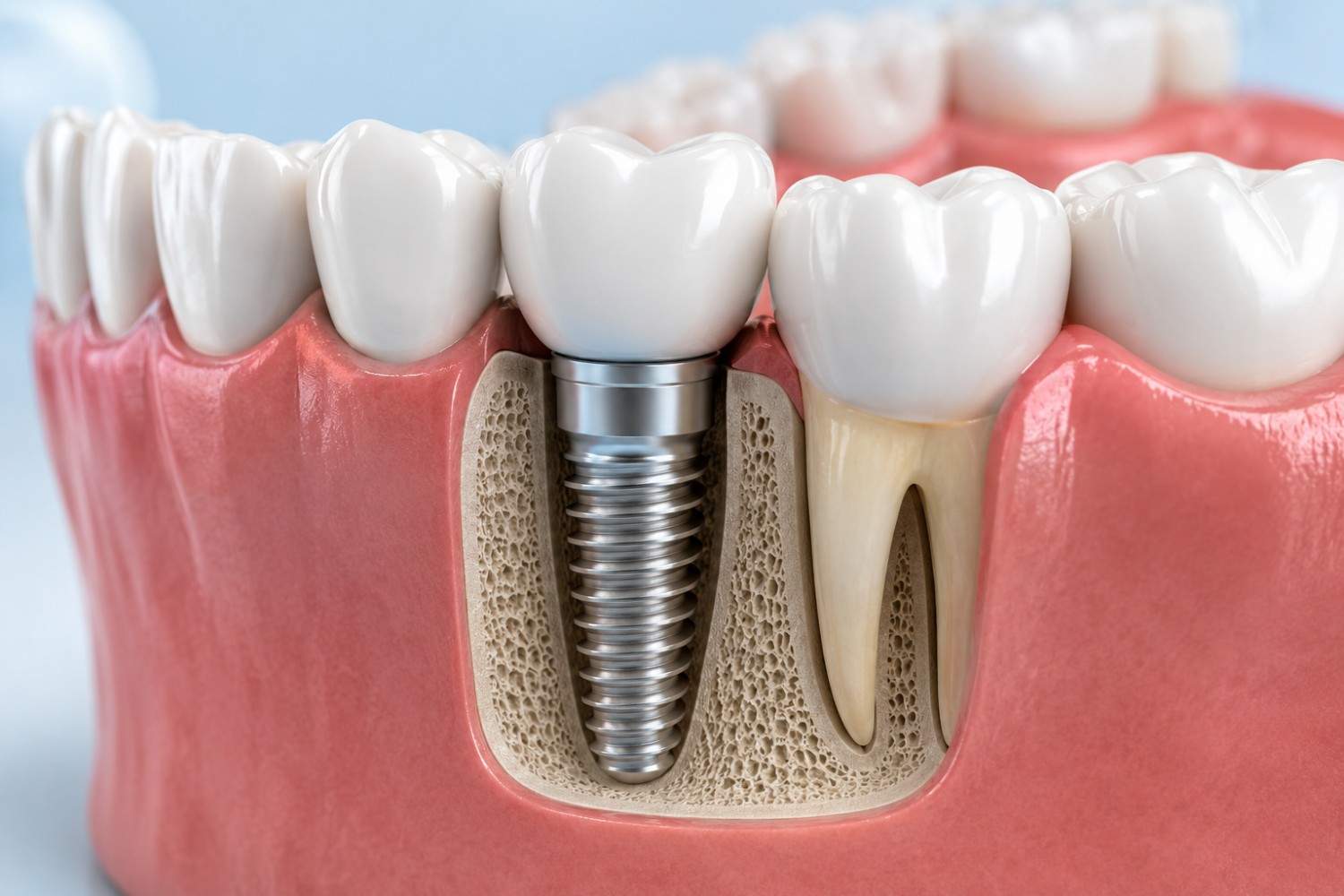
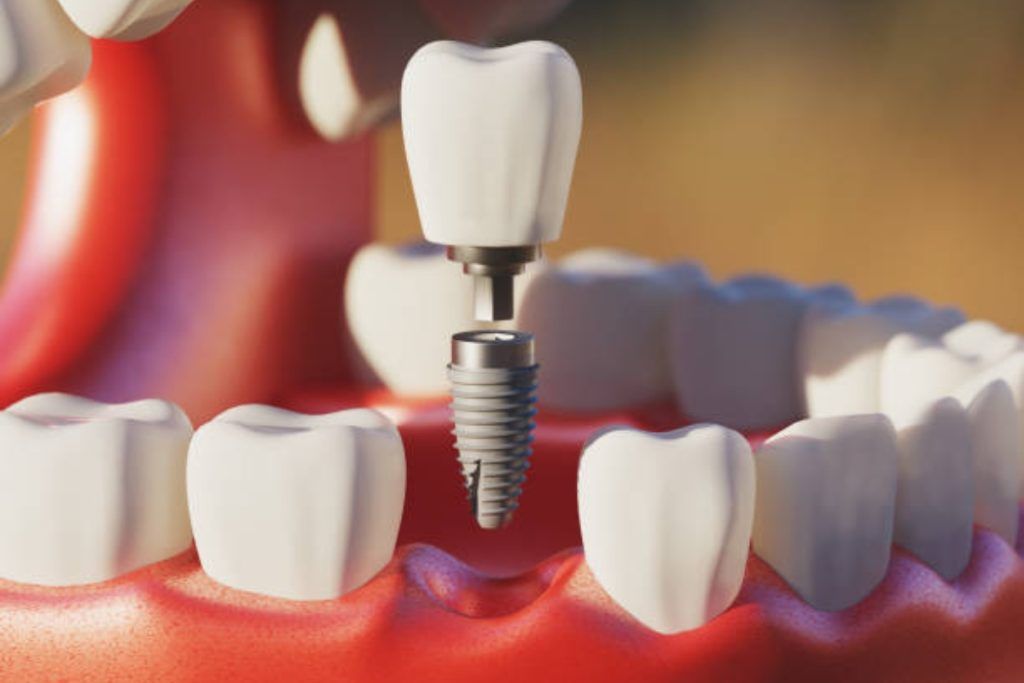
They can also provide professional-grade cleaning around the healing abutment to ensure that no plaque buildup compromises the integration of the new tooth root.
Recovery Food Progression
| Healing Phase | Recommended Texture | Example Foods |
| Days 1–2 | Liquid / No-Chew | Protein shakes, lukewarm broth, smoothies |
| Days 3–7 | Very Soft | Scrambled eggs, mashed avocado, yogurt |
| Weeks 2–4 | Fork-Tender | Flaky fish, soft pasta, cooked carrots |
| Weeks 5+ | Normal (Modified) | Most foods, excluding very hard/crunchy items |
Nourishing Your New Smile
A successful recovery requires a balance of professional skill and diligent post-operative care. By selecting the right foods and following a patient’s healing timeline, you protect your dental investment. Prioritising soft, nutrient-dense nutrition today ensures a strong, functional, and beautiful smile for the future.
At Dr. Brian Gradinger DMD, we provide the guidance and technology needed for a smooth restorative journey. Our team is dedicated to long-lasting results and patient comfort through every stage of healing.
If you have questions about your recovery or are ready to restore your smile, contact our office today to schedule your consultation.
Frequently Asked Questions
Can I use a straw after my implant surgery?
No, avoid straws for at least one week as the suction can dislodge the blood clot. It is safer to sip directly from a cup or use a spoon.
When can I return to eating crunchy foods?
Wait until the implant is fully integrated and your crown is placed. Your provider will clear you for hard foods after checking the stability of the implant.
Are spicy foods okay to eat during recovery?
Avoid spicy foods for the first week to prevent irritation of the surgical site. Mild flavours are much gentler on healing gum tissues.
Why is protein important after getting an implant?
Protein is essential for tissue repair and bone integration. Soft sources like eggs, beans, and yoghurt help speed up the body’s natural healing process.